

Bringing a new baby into the world is often described as one of life’s happiest moments. But for many new parents, this transition also comes with unexpected emotional challenges. While it’s normal to experience mood swings or the “baby blues” in the days after childbirth, persistent feelings of sadness, anxiety, or overwhelm may be signs of a more serious condition.
Seeking postpartum depression treatment in Park Ridge can provide the compassionate support and personalized care needed to help you feel like yourself again. Healing is possible, and you don’t have to navigate this journey alone.
What Is Postpartum Depression (PPD)?
Postpartum depression (PPD) is a mood disorder that develops after childbirth. It is characterized by ongoing feelings of sadness, hopelessness, anxiety, and exhaustion that make it difficult to care for yourself, your baby, or manage everyday responsibilities.
Although PPD often begins within the first few weeks after delivery, it can develop anytime during the first year after childbirth. It can affect any parent, and it is not a sign of weakness or failure.
What Causes Postpartum Depression?
There is no single cause of postpartum depression. Instead, it often results from a combination of physical, emotional, and environmental factors, including:
- Hormonal changes following childbirth
- A personal or family history of depression or other mental health conditions
- Sleep deprivation
- The physical recovery from pregnancy and delivery
- Stress related to parenting and adjusting to a new routine
- Limited social or emotional support
Every person’s experience is unique, which is why treatment should be tailored to their individual needs.
Common Symptoms of Postpartum Depression
Postpartum depression symptoms can vary from person to person, but they commonly include:
- Persistent sadness, hopelessness, or emptiness
- Loss of interest or pleasure in activities
- Fatigue and lack of energy
- Changes in appetite or weight
- Sleep disturbances (insomnia or excessive sleep)
- Feelings of guilt, worthlessness, or inadequacy
- Difficulty concentrating or making decisions
- Irritability, agitation, or restlessness
- Thoughts of self-harm or harm to the baby (in severe cases)
If these symptoms last over two weeks or interfere with your daily life, it’s important to seek professional support.
Understanding Postpartum Anxiety (PPA)
Postpartum anxiety (PPA) is another common mental health condition that can develop during the first year after childbirth. Unlike the normal worries many new parents experience, postpartum anxiety involves persistent, excessive fear or worry that feels difficult to control and affects daily life.
While postpartum depression and postpartum anxiety are different conditions, they often occur together.
Common Symptoms of Postpartum Anxiety
Signs of postpartum anxiety may include:
- Excessive worry about your baby’s health or safety
- Intrusive thoughts or upsetting mental images
- Racing thoughts or feeling unable to relax
- Constantly feeling “on edge”
- Restlessness or irritability
- Difficulty sleeping, even when your baby is asleep
- Panic attacks, including rapid heartbeat, dizziness, chest tightness, or shortness of breath
- Repetitive or obsessive behaviors related to your baby’s care
- Avoiding certain situations because of overwhelming fear or anxiety
These symptoms can feel isolating, but they are more common than many people realize.
Can You Experience Both PPD and PPA?
Yes. Many individuals experience both postpartum depression and postpartum anxiety at the same time. Feelings of sadness may exist alongside racing thoughts, constant worry, or panic attacks.
Because these conditions often overlap, working with a qualified provider can help identify what you’re experiencing and create a treatment plan that addresses your unique symptoms.
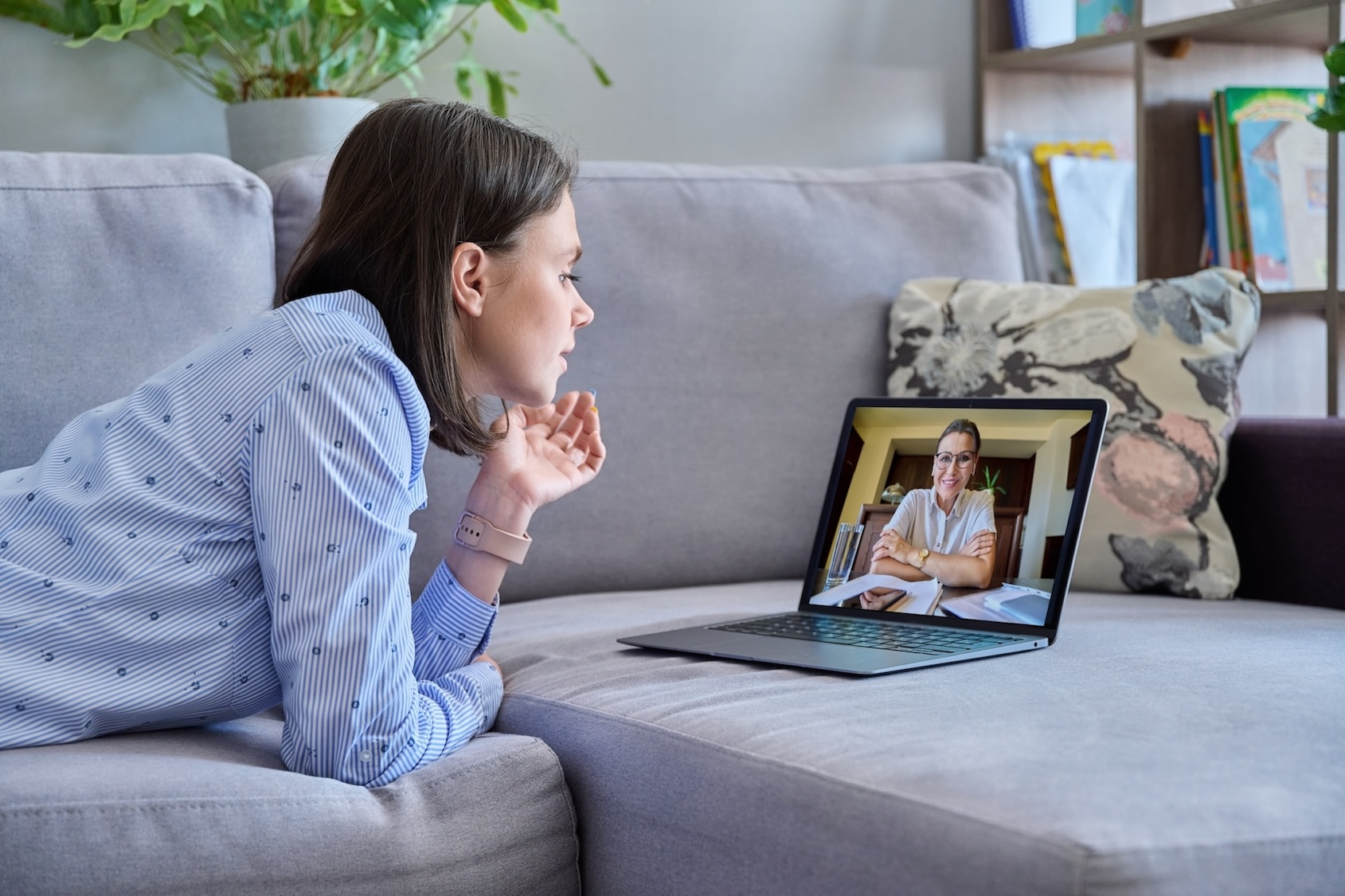
Frequently Asked Questions About Postpartum Depression
How do I know if I need postpartum depression treatment instead of just waiting for the feelings to pass?
It’s normal to experience emotional ups and downs after having a baby, especially during the first couple of weeks. However, if feelings of sadness, anxiety, hopelessness, or exhaustion last longer than two weeks or begin interfering with your ability to care for yourself or your baby, it may be time to seek professional support.
A postpartum depression treatment in Park Ridge helps you better understand your symptoms and develop a personalized plan to begin healing. Early intervention often leads to better outcomes and helps you feel more like yourself again.
Can postpartum depression and postpartum anxiety be treated without medication?
Yes. Many parents benefit from therapy and other holistic approaches. Cognitive behavioral therapy, stress management techniques, prenatal depression treatments, lifestyle adjustments, and strong emotional support can all play important roles in recovery.
At Crescent Moon Therapy, our postpartum depression treatment in Park Ridge focuses on meeting you where you are in your journey and creating a care plan that supports your unique needs and wellness goals. Your provider will work with you to determine the approach that feels right for you.
How long does it take to recover from postpartum depression?
Recovery looks different for everyone. Some parents notice improvements within a few weeks of starting treatment, while others may need several months of ongoing support.
Factors like the severity of symptoms, your support system, and your overall health can all influence your healing journey. The most important step is reaching out for help rather than trying to manage everything on your own.
With compassionate postpartum depression treatment in Park Ridge, many parents experience meaningful improvements in their emotional well-being and regain confidence as they adjust to life with their growing family.

Finding Support and Treatment
If you or someone you love is experiencing symptoms of postpartum depression or postpartum anxiety, know that help is available. These conditions are highly treatable, and seeking care is a sign of strength, not weakness.
At Crescent Moon Therapy, we provide a compassionate, individualized postpartum depression treatment in Park Ridge to help parents navigate this important stage of life. Through personalized care, our team works to address the root of your symptoms and support your emotional well-being as you move toward healing.
Whether you’re experiencing postpartum depression, postpartum anxiety, or both, you deserve support. Connect with our team to schedule your consultation for postpartum therapy, and reconnect with yourself.